

8 June 2026
Workplace transformation: the gap between corporate investment and employee well-being widens
Download the reportMore advanced workplaces, yet comfort and space quality remain a challenge
Over the past few years, offices have undergone significant transformation, driven by the rise of hybrid working, technological innovation, and growing attention to sustainability and employee well-being. While companies continue investing in workspace reorganization and upgraded facilities, a notable gap remains between employees’ expectations and their perception of workplace quality.
The report Workplace & Employees Needs Monitor by Patrigest – Gabetti Group explores how evolving office environments are reshaping employee satisfaction, workplace strategies, and the future of the office market.
How workspaces are changing
Companies are increasingly redesigning offices to support productivity, collaboration, and operational efficiency. However, investments often remain incremental and primarily focused on technology and basic infrastructure.
Areas such as comfort, privacy, environmental quality, and employee well-being continue to represent the main opportunities for improvement highlighted by workers. The report examines how these trends are reshaping office market dynamics and workplace optimization strategies.
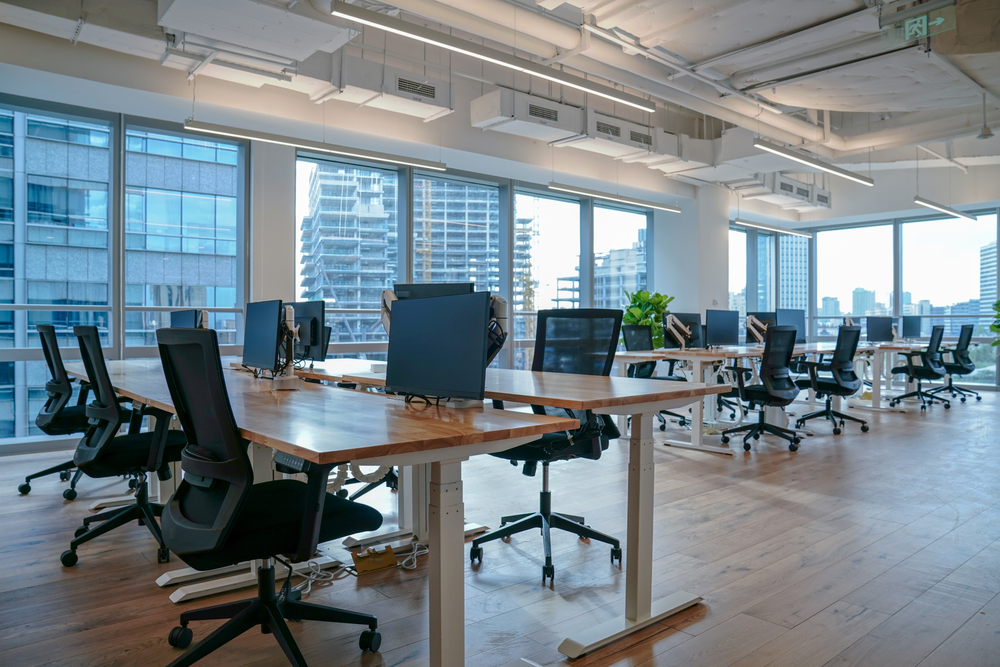
Companies are investing in offices, but employee well-being remains a priority still under development
Office reorganization between productivity and well-being
Over the last two to three years, most Italian companies have implemented workplace modifications, focusing mainly on practical and easily deployable solutions. Layout redesigns, technology upgrades, and workspace modernization have been among the most common initiatives.
Although many interventions followed an incremental approach, employees generally reported improvements in their office experience, particularly in organizations that consistently invested in workplace quality and organizational innovation.
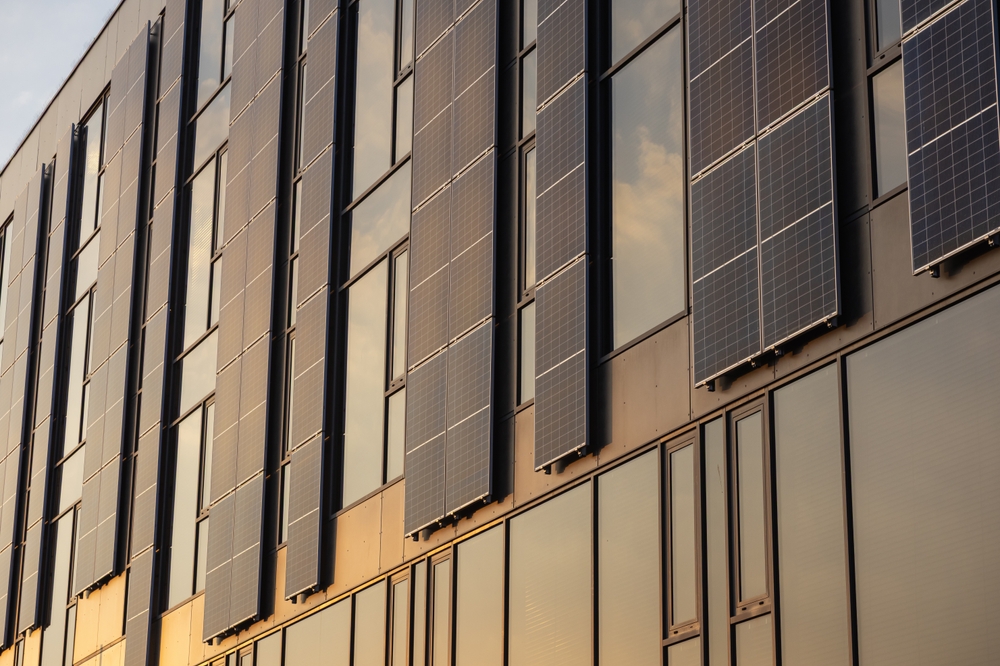
Technology and productivity are advancing faster than comfort and workplace quality
Technology, services and employee satisfaction
Workplace services and amenities still offer significant room for improvement. Digital technologies represent the most appreciated aspect among employees, while acoustic comfort, privacy, workspace personalization, and common areas continue to receive lower satisfaction ratings.
Corporate investments have largely focused on productivity-enhancing infrastructure, while smart technologies, advanced welfare services, and well-being solutions remain less widespread. As a result, employees generally perceive workplaces positively, but expectations regarding the quality of the daily working experience continue to rise.
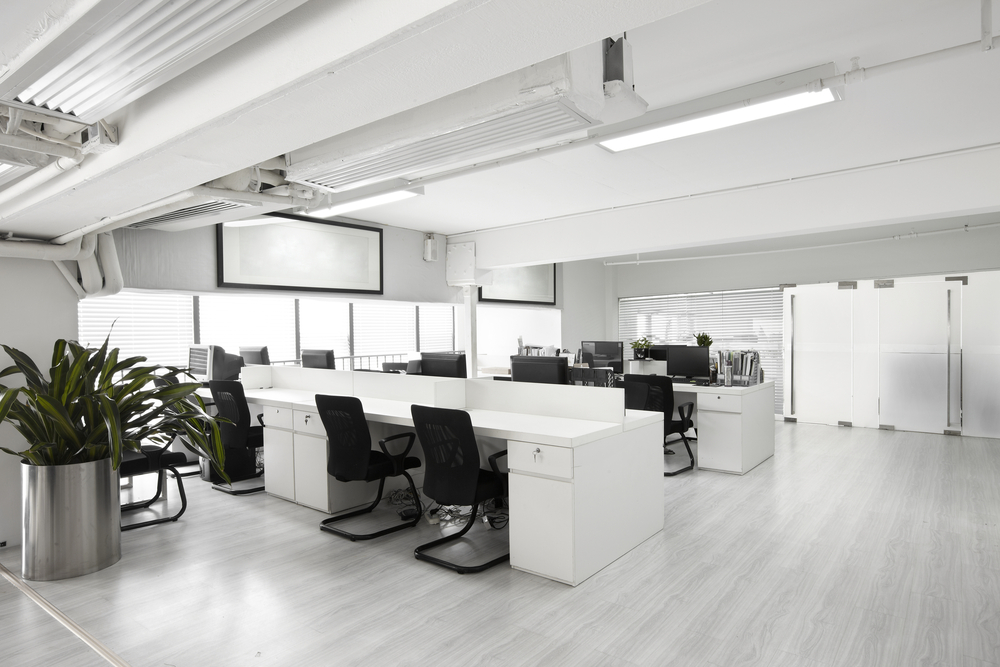
Smart working, certifications and new priorities in the office market
The evolution of workspaces is entering a more mature phase. Following an initial wave of interventions focused on technological upgrades and workplace reorganization, companies are now facing increasing demand for offices that successfully combine productivity, employee well-being, and a high-quality work experience.
Smart working has become an established model, involving approximately 3.58 million workers. Employees are placing greater importance on acoustic comfort, ergonomics, air quality, privacy, and flexible workspaces. At the same time, the office market increasingly rewards assets capable of meeting ESG standards and occupier expectations.
Workplace quality is no longer simply a competitive differentiator. It has become a strategic factor influencing productivity, attractiveness, employee engagement, and talent retention. The findings of the report “Workplace & Employees Needs Monitor” by Patrigest – Gabetti Group suggest that future office strategies must move beyond purely operational improvements and embrace a more holistic approach to workplace design.
The challenge for companies, investors, and property owners will be to transform offices into environments genuinely designed around employees’ needs, narrowing the gap that still exists between expectations and reality.