


22 December 2025
Student Housing in Italy: a strategic driver for universities and cities
Download the reportStudent accommodation, university competitiveness and new investment opportunities
The Italian Student Housing sector is becoming increasingly strategic for the competitiveness of the national university system.
In a country still below European targets for tertiary education attainment, housing accessibility directly affects student mobility, universities’ attractiveness and cities’ ability to retain talent and human capital.
What emerges from the Student Housing report
The report “Student Housing and Student Residential Living: Market Overview and Sector Outlook”, produced by Patrigest’s Research & Data Intelligence department, analyses demand, supply, university mobility and investment trends, highlighting the growing role of student accommodation within both the living sector and the Italian higher education system.
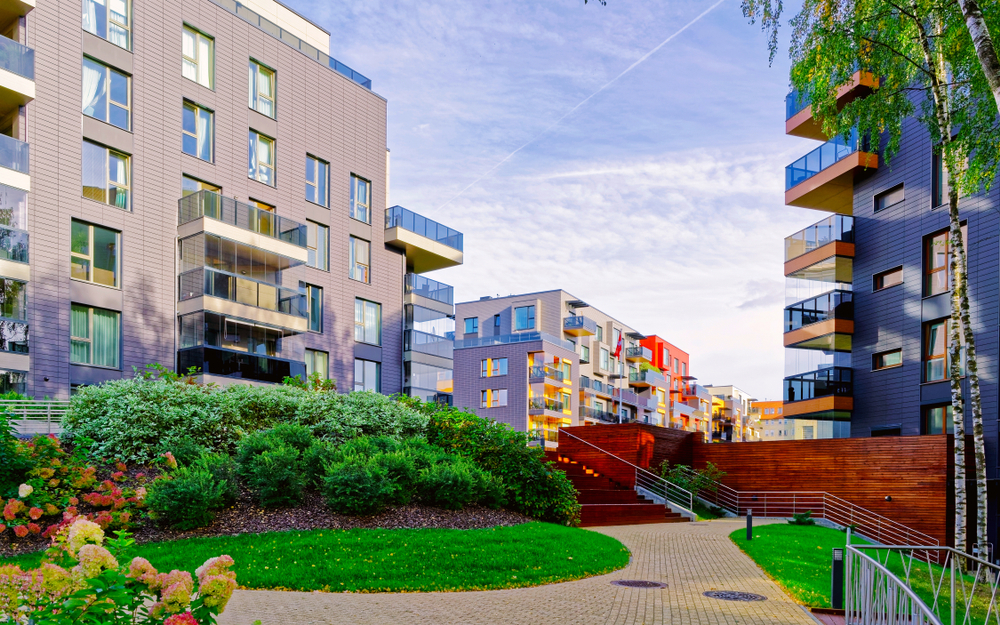
Student Housing and housing accessibility are becoming central to university competitiveness in Italy
University geography and student mobility
Italy’s university system continues to show significant territorial imbalances, directly impacting student distribution and local competitiveness. Lombardy and Lazio remain the country’s leading academic hubs, while several Central and Southern regions continue to experience strong outbound student mobility towards Northern university cities.
This trend contributes to an increasing polarization of the Italian higher education system, further reinforced by the ability of cities such as Milan, Rome and Turin to attract international students. At the same time, housing costs are becoming a growing economic burden: in some university markets, the overall monthly cost for out-of-town students can exceed €1.600 including accommodation, tuition fees and additional expenses.
Housing accessibility increasingly influences the ability to attract students, talent and investment
Student Housing investment trends and market development
The Student Housing sector continues to attract institutional investors and international operators, confirming its position among the most dynamic living asset classes. During the first nine months of 2025, living investments reached approximately €450 million, with Student Housing representing the dominant share of the market.
However, supply remains heavily concentrated in Northern Italy. Milan leads development activity with more than 5,600 beds currently in pipeline, followed by Padua and Bologna. Meanwhile, Central and Southern Italy continue to register a limited number of new projects, increasing the risk of widening both infrastructural and educational disparities between territories. Interest in development transactions and operational assets is also growing, supported by the gradual institutionalization of the sector.

Student Housing and the competitiveness of the Italian university system
Student Housing is now emerging as a strategic component for the future of Italian universities and for the competitiveness of local territories. In a context shaped by demographic decline, increasing international competition and persistent territorial inequalities, housing accessibility is becoming a decisive factor in attracting students, talent and investment.
The analysis highlights a market undergoing progressive evolution, driven by institutional capital, the expansion of the living sector and growing demand for student accommodation across Italy’s main academic hubs. Nevertheless, supply remains insufficient and strongly polarized, with investments concentrated in Northern cities and a limited pipeline across Southern Italy.
In this scenario, expanding the availability of accessible and sustainable student accommodation becomes not only a real estate priority, but also an economic and social one. The ability to develop new student residences, contain access costs and foster greater housing inclusion will increasingly shape mobility, innovation and human capital growth across the country.